Upgrading a gaming PC often sounds like a chore reserved for engineers, but you don’t need a technical degree to give your rig a noticeable performance boost. By focusing on plug‑and‑play components, using external tools, and following a step‑by‑step checklist, anyone can upgrade a gaming PC with confidence. In this guide we break down the process into manageable stages, recommend budget‑friendly hardware, and point you to reliable resources such as Gaming computer – Wikipedia and the NIST computer security page. Whether you’re a student, a busy professional, or simply a gamer who wants more frames per second, the steps below let you upgrade a gaming PC without pulling apart the motherboard.
Upgrade a Gaming PC – Assess Your Current Setup
Before you buy anything, take a clear inventory of what you already have. Open the Windows Task Manager or use a free utility like HWMonitor to record CPU usage, RAM consumption, and GPU temperature while a demanding title runs. Jot down the model numbers of your processor, graphics card, storage drives, and power supply. This information helps you avoid compatibility pitfalls and lets you target the most impactful upgrade. For example, if your GPU is several generations old, swapping it for a newer, plug‑and‑play model will likely give the biggest performance lift.
Upgrade a Gaming PC – Choose Plug‑and‑Play Upgrades
When you lack technical know‑how, stick to components that install themselves without the need for firmware flashing or BIOS tweaking. The three most beginner‑friendly upgrades are:
- DDR4/DDR5 RAM sticks that fit into existing slots – most modern motherboards support both 2600 MHz and 3200 MHz modules without configuration.
- NVMe SSDs that slide into the M.2 slot – they require no cables and automatically become the primary drive after you clone your OS.
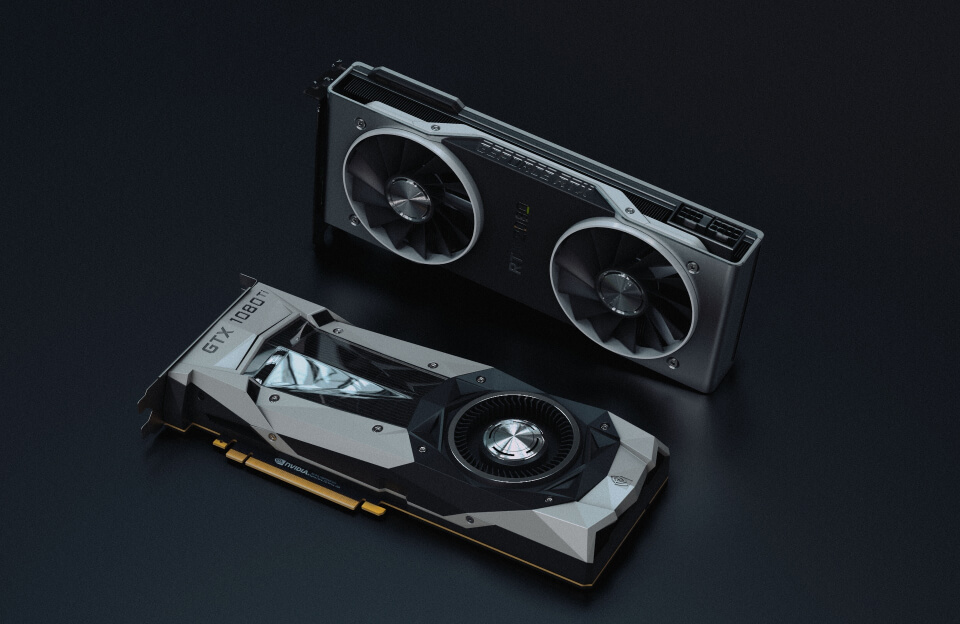
- PCIe graphics cards that slot into the primary PCIe x16 slot – just secure the bracket and connect the power cables supplied with the card.
All three come with manufacturer‑provided installation guides that assume no prior experience. If you’re uncertain about your motherboard’s RAM compatibility, the Crucial Memory Compatibility Tool can verify the correct speed and capacity.
Upgrade a Gaming PC – Upgrade Without Opening the Case
Some upgrades can be performed entirely from the outside of the tower, which is ideal for users who are uncomfortable handling internal components. Consider the following options:
- External USB‑C SSD enclosures – Transfer games and large files to a fast external drive; many modern laptops and desktops support USB 3.2 Gen 2 speeds that rival internal SATA SSDs.
- Plug‑in cooling fans – Clip‑on fans that attach to the case’s ventilation grilles and draw power from a free motherboard header (often labeled “CHA_FAN”). This improves airflow without any interior work.
- Ready‑to‑use external GPU (eGPU) docks – If your PC has a Thunderbolt 3/4 port, an eGPU can boost graphics performance without swapping the internal card.
These solutions let you upgrade a gaming PC while the machine remains fully assembled, minimizing the risk of static discharge or misplaced screws.
Upgrade a Gaming PC – Test and Optimize Performance
After installing new hardware, it’s essential to verify that the system recognizes it and that performance has improved. Use benchmarking tools such as 3DMark or the open‑source Unigine Heaven benchmark. Compare scores with the baseline numbers you recorded earlier. If the new components aren’t showing up, double‑check connections and make sure Windows has installed the latest drivers – the manufacturers’ websites typically host auto‑detect utilities that require only a few clicks.
Finally, tweak in‑game settings to match your new hardware capabilities. Lowering texture quality or enabling ray tracing can dramatically affect frame rates, so experiment until you find the sweet spot between visual fidelity and smooth gameplay.
Ready to Upgrade a Gaming PC without technical skills? Follow these simple steps, order the recommended plug‑and‑play components, and enjoy a faster, smoother gaming experience today.
Frequently Asked Questions
Q1. What is the easiest component to upgrade on a gaming PC?
The simplest upgrade is usually the RAM. Most modern motherboards support plug‑and‑play DDR4 or DDR5 modules that slot in without BIOS changes. You just match the speed and capacity, install the sticks, and the system recognises them automatically.
Q2. Can I install an NVMe SSD without opening the case?
Yes, many cases have an external M.2 slot cover or you can use a USB‑C to NVMe enclosure. Insert the drive, secure it, and clone your OS using free software like Macrium Reflect. The computer will boot from the new SSD after you set it as the primary drive in BIOS.
Q3. Do I need to update my BIOS when I add a new graphics card?
For most plug‑and‑play GPUs, a BIOS update isn’t required. Modern motherboards automatically detect the card and load the appropriate drivers. Only older boards might need a BIOS flash if the GPU uses a newer PCIe version.
Q4. How can I test if my upgrades improved performance?
Run benchmark tools such as 3DMark or Unigine Heaven before and after the upgrade, recording FPS and score values. Compare the results with the baseline you captured in Task Manager. Additionally, launch your favorite game and adjust settings to notice smoother frame rates.
Q5. Is an external GPU a good solution for a desktop PC?
An eGPU works best with laptops or small form‑factor PCs that have a Thunderbolt 3/4 port. For a standard desktop, installing a PCIe graphics card is usually cheaper and provides better performance. However, an eGPU can be a viable temporary boost if you cannot open the case.